Best Scents for Trapping Specific Animals
Coyotes
Coyotes respond strongly to combinations of meat-based baits, glandular estrus oils, and urine that signal territorial intrusions. Long-call gland lures—those formulated with skunk quill—are especially potent in cold weather for drawing coyotes from a distance. Placing a pea-sized dab of estrus gland lure over your trap bed, a few drops of coyote urine on surrounding vegetation, and a meat-based bait (such as aged beaver or muskrat carcass) will trigger hunger, curiosity, and territorial drives simultaneously.
Foxes
Red and gray foxes often key in on rodent and rabbit odors. A rabbit-urine or mouse-gland lure will provoke a hunger response, while catnip-infused “curiosity” lures pique their investigative instincts. Popular commercial formulas include Cat-Man-Do and GH-II, which blend rodent oils with subtle sweet notes. To extend the effective window, apply these lures sparingly on cotton pads above your set and refresh every 5–7 days in mild weather.
Raccoons
Fish oils and cultured egg bases are raccoon magnets. Adding smoke oil (just a few drops per pint of ground fish or egg mash) cuts through foliage and attracts raccoons from a wide radius. This smoky-fish combination consistently outperforms straight fish bait in early and mid-season trapping. Anchor your oil or egg paste to a natural visual—even a tuft of sheep’s wool—near the trap entrance for maximum hold time.
Bobcats
Bobcats are drawn to feline gland secretions and high-octane curiosity blends. Gland lures such as Feline Fix or Voo-Doo contain cat cheek and foot gland extracts, often combined with bird feather fibers for a visual cue. Mount a small smear of lure on a stick or feathered post 6–8 inches above your dirt-hole or flat set to call them in, then back it up with a small meat bait at the trap bed for the hunger response.
Mink and Weasels
Mustelids hunt by scent and will follow strong fish or fur-based trails. Dark trout oil, fish meal paste, or mink-specific food lures rubbed into driftwood or under brush will entice mink and weasels to linger. For trailing setups, dilute fish oil with a little vegetable glycerin and wick it along small sticks or flagging to lead them directly into cage or foothold sets.
Muskrats
Muskrats are primarily herbivores but will hit starch-based baits aggressively during early freeze-up. Chunky potato pieces or corn grit placed on #110 triggers can produce “gangbuster” takes in November–December. Pair your starch bait with a light spray of muskrat castor oil on nearby cattail stubble to trigger both hunger and territorial investigation.
Beavers
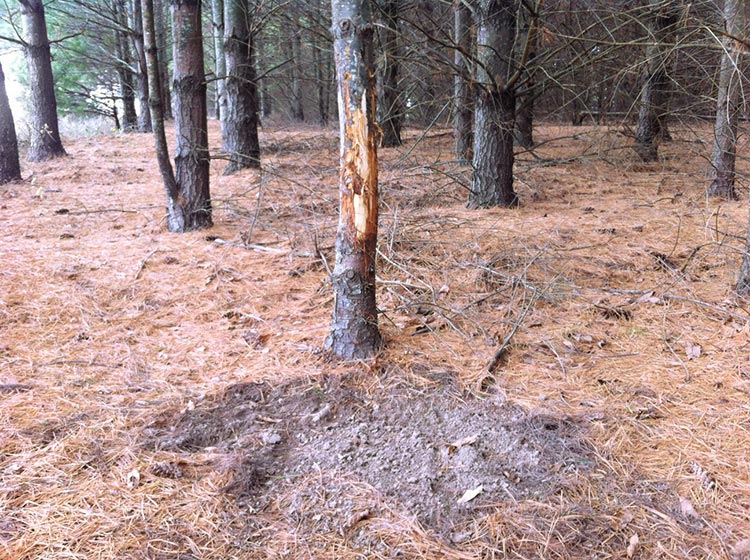
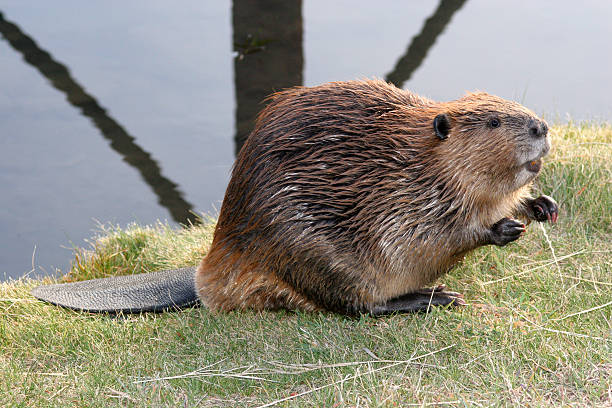
Beaver sets hinge on territorial gland cues and visual landmarks. Build a small “castor mound” beside the set, packing beaver castor oil into a cotton-rope-wrapped stick or rock pile. The combination of strong castor and a visual target—like a peeled poplar stick—will provoke beavers to nose around the mound and step into your trap bed.